

Anal Toys Health Megaguide
You might have a variety of issues or concerns when you first start utilizing butt plugs. These are very important if you want to use your butt plugs safely.
Even after you become used to wearing your plugs, you may discover that you have several medical concerns throughout your life and question whether putting objects in your butt is the cause.
After doing some research on all of these topics, we will outline the reasons why butt plugs are entirely safe to use and, in certain situations, even advantageous in this post.
Medical Uses of Butt Plugs/Anal Plugs
The history of butt plugs is not entirely clear. In some of their early iterations, they were promoted as miraculous treatments for various ailments.
Even though modern medicine has disproved many of these "cures," there is still mounting evidence that using a plug daily can help with several illnesses.
General Tips
There are several guidelines you should adhere to whenever you use your butt plugs, even if you don't have any particular worries about doing so safely:
- Use lubricant at all times.
- When putting in or taking out your plugs, take your time.
- Increase the size of your butt plugs gradually.
- Your butt plugs should always be cleaned before and after use.
Allergic Reactions
Not everyone has to be concerned about allergic responses. Allergies can affect just a small percentage of people and can all be different things. However, is it possible to have a butt plug allergy?
Unfortunately, a butt plug can cause an allergic reaction. The plug, the lubricant, or the tail (if your plug has one) are the three leading causes of this.
One or more of the materials used to produce the plug will be the cause of allergies associated with butt plugs. Take the metal type, for instance.
Latex is the most prevalent material to which a person may be allergic, among those used to produce butt plugs. Since many condoms are also made of latex, the same is true if you wish to cover your plug with one.
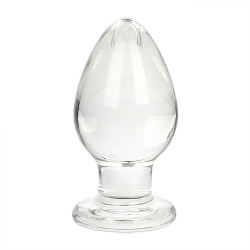
Glass, stainless steel, or silicone are the ideal materials to use for your butt plugs. Your plug is unlikely to induce a reaction because it is a relatively rare item to be allergic to. When selecting a plug, you should exercise caution if you know you might be allergic to any of these.
Since most lubes contain various chemicals, lubricant allergies are more common. To ensure you won't experience a reaction, you should always thoroughly review any lubricant ingredient list if you have allergies.
Naturally, allergies relating to the tail only occur when a tail butt plug is used. Although actual fur can occasionally be used, synthetic fibers like polyester or nylon are most frequently used to make them.
Like lubricants, you should ensure that the tail of your plug is free of any compounds you may be allergic to.
Bleeding
Seeing blood is one of the most frequent warning signs that could appear when utilizing a butt plug. This is a widespread reaction, and if you see an anal bleed, many manufacturers (including us!) will typically advise you to stop using butt plugs.
This suggestion isn't entirely accurate, though.
Your body's external muscles and nerves are far less sensitive than the muscles and nerves inside your anus. Due to their extreme sensitivity, a bleed can be caused by various factors.
Your butt might bleed from anything as basic as urinating!
We all get little anal tears every day, most of which are so tiny that very little blood comes out. They are minor, internal paper cuts that will heal without you ever realizing it.
These little tears can also occur when using butt plugs, but they are usually not a cause for concern. When you remove your plug, you may find some blood on it, but this is generally just a small internal rip and won't create any issues.
But you should be concerned about bleeding in two instances.
Bleeding continuously will eventually cause enough blood to start leaking from your anus. It will slowly ooze out even if you are wearing a plug.
Seek medical attention immediately if you observe this type of leakage while wearing a plug or even after removing it.
It's a little harder to diagnose painful bleeds.
Every anal activity will cause some degree of "pain" for certain persons. This can vary in intensity, and some people even find it enjoyable because they consider it to be a natural part of the anal experience.
For some people, pain can be beneficial, but if you ever feel pain and bleeding at the exact moment, something might be wrong. As soon as possible, get medical attention, particularly if the discomfort doesn't go away after taking the plug out.
Although most bleeds are perfectly benign, we recommend that you stop using plugs for a day or two if you see any blood at all. This allows time for the healing and recovery of your delicate inner muscles.
Stuck Anal Toys
"Can a butt plug become lodged?"
When someone is new to utilizing butt plugs, this is likely the most frequent question they ask us.
Although butt plugs can become lodged inside your body, this is unlikely unless you put yourself in that situation.
We must first clarify that although the primary function of our bums is to push objects (poop) out of our bodies, they are also excellent for sucking in objects. This is precisely the reason suppositories work so well for administering medication. They remain within once they're inside.
We must now clarify that your butt plug can become stuck in two different ways.
Many persons who use anal toys frequently will, at some point, face the usual occurrence of not being able to remove the plug. Fortunately, this isn't a significant cause for concern.
In essence, your butt will be holding on to the plug so firmly that it will appear impossible and unpleasant to try to remove it.
The most crucial thing you can do is to remain calm; this issue is easily fixed. Panicking will cause all of your muscles to stiffen up, making them hold the plug even more tightly, making it harder to remove, and things will get out of control.
To remove the plug, it is typically sufficient to relax, apply extra lubricant, and push gently as though you were using the toilet. You will eventually need to defecate, and your body will take care of itself, even if it was entirely stuck and you were unable to remove it.
The possibility of your anus swallowing plugs is far more dangerous. This is the point at which the entire butt plug is sucked into the anal canal. Once there, it can spread freely deeper and deeper into the colon, and in most cases, removal will need surgery.
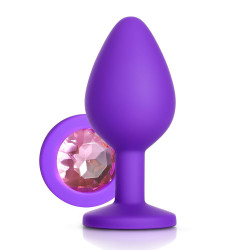
Even though this is a horrible thing, it is readily preventable. Just make sure the base of each butt plug you use is flared. Your anus shouldn't be able to swallow the base due to its size physically.
The base will now press against the rest of your body, preventing your butt from sucking the plug in any further.
Anal Mucus
Mucus is another body function that may raise questions about the use of your butt plug. In particular, anal mucus.
Our anus can create mucus lining the walls of the anal canal, just like a lot of other sections of our body. Poop leaves our bodies considerably more easily, thanks to this mucus.
Tiny anal tears, which occur practically every time you use the restroom, would be even more frequent if our butts didn't create mucus.
You may occasionally notice a tiny bit of this mucus leaking out of your butt while engaging in any anal play. It is often clear or slightly yellow and frequently fairly thick and sticky.
Mucus by itself shouldn't raise any serious issues. Because it lubricates the anal canal a little, anal mucus can make anal play easier and more pleasurable!
You should only be worried if the mucus you observe is mixed with blood or has a strange hue. You should immediately cease using your butt plug in both of these situations and get medical attention.
If there is a mucus-related issue, it usually won't go away on its own. Abdominal pain, cramping, or even an infection or bacterial infection may accompany it. Therefore, determining when anal mucous is harmful should be simple!
Sharing Anal Toys
"May I share my butt plug with you?"
Another commonplace query we receive from people who are new to butt plugs. Naturally, you might want to let your spouse know if you're having fun with a butt plug while exploring with them!
However, you shouldn't jump into this hastily. Generally speaking, wherever feasible, we discourage exchanging butt plugs. It's also not a good idea to put a plug in your anus and then into your vagina.
Our butts are rife with bacteria, which is a straightforward reason to stay away from both of these items. Some terrible and dangerous bacteria are among them, but most are beneficial and valuable.
Crucially, though, this mixture of beneficial and harmful germs is exclusive to your body, and introducing it to another person could have disastrous consequences.
We know some of you may disregard this and continue to spread your plugs. If you do, clean them well before using them again! Place a condom over the plug and replace it with a new one for every user for added safety.
Erectile Dysfunction
An undesirable condition that many men may have during their life is erectile dysfunction. Simply put, it's the inability to achieve or sustain an erection long enough for sexual activity.
Permanent erectile dysfunction (ED) is something far more serious. It can significantly affect any man's life, even though most men will have temporary ED quite frequently during their lives (sometimes you aren't in the mood!).
There are numerous causes of chronic erectile dysfunction, and there are multiple approaches to treating it. Our focus, however, is on how butt plugs affect erectile dysfunction.
Can butt plugs cause erectile dysfunction, then? Not quite, that is.
However, after putting in a butt plug, some guys do tend to lose their erection. The sensation of having anything within your butt can be challenging to get used to.
Even though it may seem odd or out of the ordinary, you'll frequently find it challenging to maintain your level of arousal and instead concentrate solely on your butt rather than your penis.
In essence, this is a type of transient erectile dysfunction, which might occasionally prevent you from using a butt plug while still maintaining an erection. Fortunately, staying hard should become easier as you become more accustomed to anal play.
However, the more crucial query is whether butt plugs can aid with erectile dysfunction. This is an idea that is far more intriguing.
We return to the pelvic floor muscles to comprehend the potential function butt plugs can play in treating ED. A large portion of human sexual function (and dysfunction) depends on these muscles. Numerous issues can arise when the pelvic floor muscles are weak or injured.
Pelvic floor dysfunction is one of the leading causes of ED, and many people reclaim their former glory by strengthening and restoring these muscles. And here is where butt plugs come in handy!
The pelvic floor is activated just by wearing a butt plug; otherwise, the plug would fall out! These muscles can become stronger and stronger with regular use of a plug, potentially eliminating your erectile dysfunction in the long run!
Rectal Prolapse
Sometimes, having a rectal prolapse is presented as the primary justification for not attempting anal. Nobody wants their body turned inside out for a bit of pleasure; therefore, it's a compelling image. However, does it occur?
Although it's a strong image, as of the time of writing, there was no hard proof that using anal toys might truly result in rectal prolapse.
Don't listen the next time someone tries to dissuade you from utilizing plugs by telling you scary stories!
Naturally, we want to examine every facet of these illnesses. Therefore, we must determine whether butt plugs might help treat rectal prolapse.
Unexpectedly, there is some medical proof that they are beneficial!
The theory is relatively straightforward. You can contain all of the prolapsed anus by wearing butt plugs. In addition to blocking your anus, you also addressed any fecal leakage that your prolapse might have brought on.
Although butt plugs aren't appropriate for every rectal prolapse instance, they can offer some relief to specific individuals. We strongly advise speaking with your doctor before attempting any alternative treatment for rectal prolapse, as is always the case with severe medical disorders.
Hemorrhoids
A typical medical ailment that most people may have at some point in their lives is hemorrhoids, often known as piles.
It affects an increasing number of people every year, and according to certain studies, half of the population will have hemorrhoids of some kind by the end of the following year.
Fortunately, a lot of hemorrhoid instances go entirely unreported. People frequently aren't even aware that they have them!
However, they can be very unpleasant and uncomfortable when you do detect them.
Hemorrhoids can occur for many different reasons, but might butt plugs play a role?
No, generally speaking. Using a butt plug alone won't result in hemorrhoids.
However, you should be careful not to push too hard when removing your butt plugs. For example, when using the restroom, you may push the plug out when it feels like it won't come out.
This type of training requires extreme caution because exerting too much pressure can result in hemorrhoids.
It's usually better to avoid using butt plugs if you have hemorrhoids.
Keeping your muscles as calm as possible will aid in your recuperation. Additionally, you should refrain from applying pressure on your hemorrhoids as this could result in their rupture.
In addition to putting additional strain on the muscles, a butt plug in your anus will put needless pressure on your hemorrhoids.
Before you resume enjoying your plugs, wait for your condition to improve just to be safe!
Constipation
Constipation has been researched a bit further, and there is solid evidence to support the use of anal plugs in treating it, even if many of the medical illnesses we have covered thus far have tenuous connections to butt plugs.
There are many different causes of constipation, and the modern world can make it even more difficult to have regular bowel motions. Poor nutrition, inactivity, and even sedentary lifestyles can all be factors.
But can butt plugs?
No, generally speaking. It shouldn't be able to interact with your waste because we do recommend using the restroom before putting in a plug. Failure to do so may result in your butt plug pushing on and compacting any excrement that may be in your anal canal.
Hard-compressed feces can cause constipation, but it can be avoided by emptying your bladder before using your plug.
However, the question of whether butt plugs can relieve constipation has far more intriguing ramifications.
In a 2007 study, the effects of colonic irrigation and butt plug on constipation were tested. According to the study, "those who continued to use the butt plugs regularly after receiving them reported feeling significantly better." Once plugs are within, our bodies perceive a sense of "urgency," leading us to want to pass feces.
Even though this is only one study, the findings were encouraging. Therefore, it would be worthwhile to try a butt plug the next time you're experiencing constipation!
Constipation and Lube
Lubrication can affect your bowel motions, albeit it is not directly related to the use of butt plugs. This is because certain compounds are included in many popular lubricant brands.
Glycerin and aloe vera are the significant elements we are most worried about.
Your body absorbs these two chemicals very easily because of the thin anal lining. Once within, some users discover that both of these chemicals can swiftly induce a bowel movement, which frequently results in an early stop to their anal play!
Keep Your Anal Toys Safe and Healthy!
Although many of these health problems may seem frightening, butt plugs are typically not the source of them. Additionally, it's a good idea to take a break until your body is fully recovered, even if butt plugs can occasionally aid with some of these ailments.
If you think your plugs are helping, keep a close eye on your body and make sure it's not becoming worse. As always, you should carefully heed your doctor's instructions regarding health conditions.